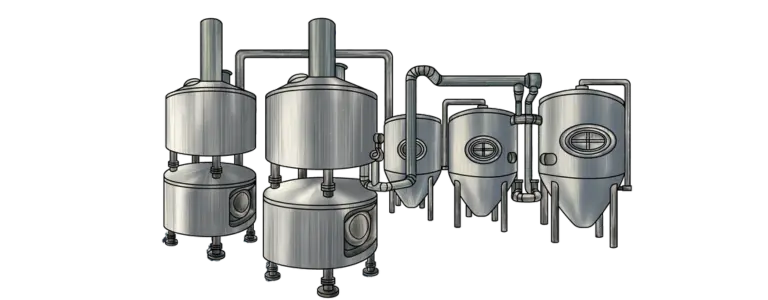
1. Data entry process (MALT)
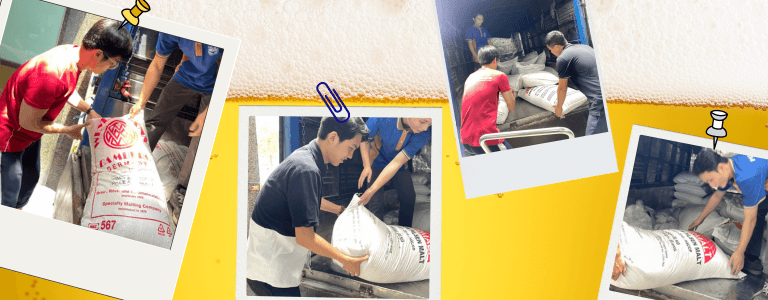
After careful selection, ensuring that the malt meets all the required standards, the pilot will transport it to the storage facility before using it in production.
2. Craft beer brewing process
2.1 Data entry process (MALT)

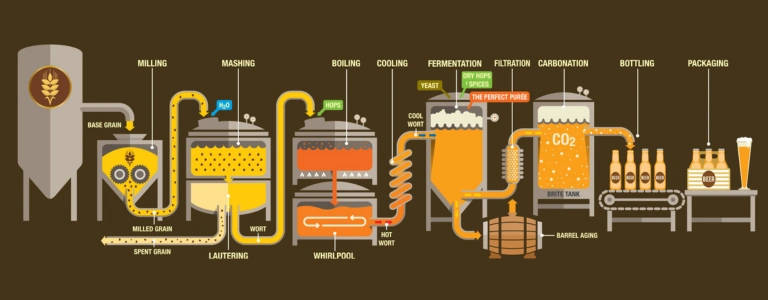
During this phase, we will weigh and grind the ingredients according to the recipe, clean the pot and cooking area according to the CIP procedure, and check the operation of the BRAUMAT automatic control software.
2.2 Grinding
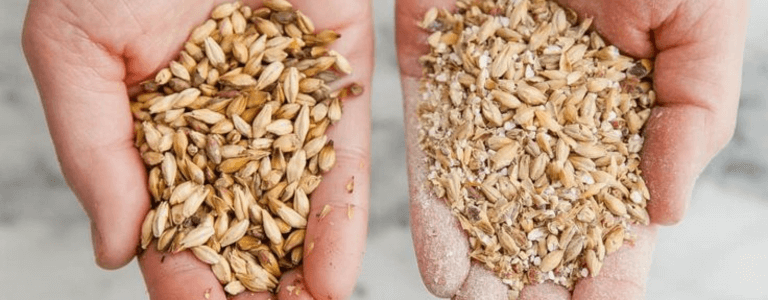
To facilitate enzyme activity and maximize the extraction of soluble substances, the pilot will clean the milling area, inspect the equipment and malt stock. Then, they will begin operating the milling equipment and mark each batch of malt.
2.3 Cooking MALT
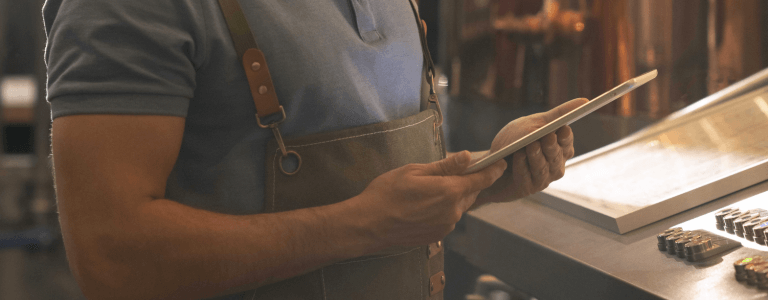
This process allows enzymes to convert starch and protein in malt into sugars and amino acids for fermentation. It includes rinsing the stills and pipes with hot water, preparing the brewing system, adding chemicals, measuring pH, etc.
2.4 Lauter Filter
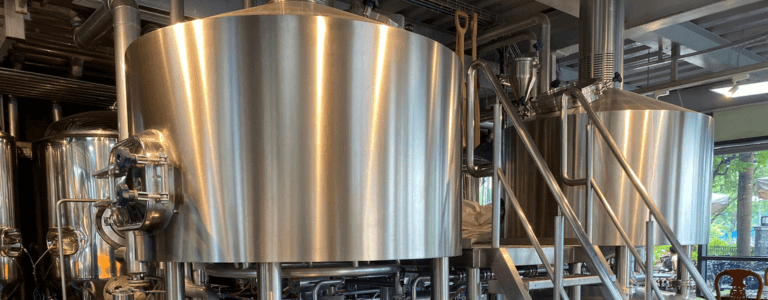
This process includes lining the bottom with water, transferring malt from the brewing vessel to the filtration vessel, circulating and extracting the first wort, washing the spent grains multiple times to collect the wort, and raking the spent grains after all the wort has been collected, preparing for the next brewing batch with approximately 600L of filtered wort.
2.5 Co hoa/ soi hoa
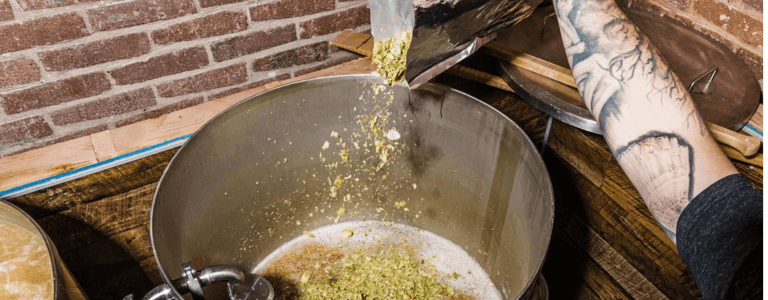
This process aims to stabilize the components in the wort such as sugar content, bitterness, color, and pH. It includes pumping the wort into a boiling vessel, heating and circulating it to ensure even boiling, adding hops according to the specified formula and time, adding zinc to promote yeast growth, and taking samples to monitor evaporation.
2.6 SEDIMENTATION
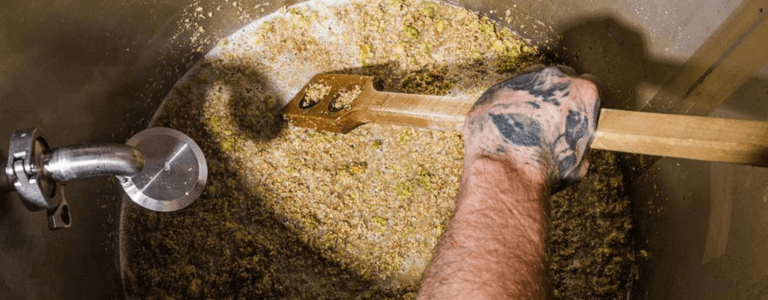
The purpose of this step is to separate the hop residue, malt, and other precipitates from the wort. During operation, the wort is transferred to a swirling settling tank to create a vortex, which helps separate the sediment. The swirling is then stopped for 25 minutes before transferring the wort, and finally, the brewing system is rinsed with hot water.
2.7 Worm transfer and fermentation transfer
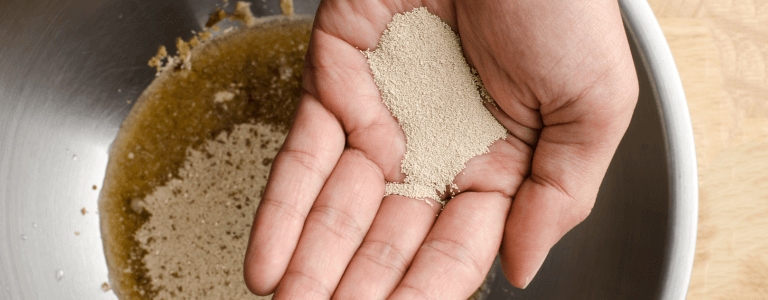
The purpose of this process is to cool the wort and transfer it along with the starter culture into the fermentation vessel. In operation, the wort is pasteurized and cooled before being transferred to the fermentation tank, sampled for sugar and pH measurements, and then inoculated into the fermentation tank with dry or activated yeast.
3. Fermentation process
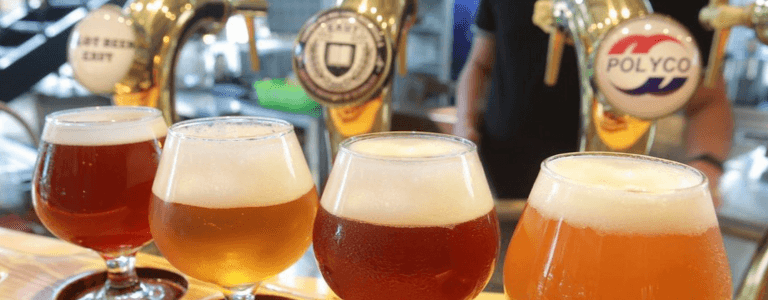
The fermentation process includes cleaning the area and tanks, using NaOH and ocxonia for CIP, then primary fermentation at 11–15°C, monitoring the fermentation process by measuring sugar and counting yeast cells, increasing the temperature to deacetylate, closing the pressure to retain CO2, and finally lowering the temperature to harvest the yeast and transfer the beer to the finished product tank.
4. CIP

The CIP (Cleaning-in-Place) process aims to clean the surfaces of boilers and pipelines. It includes system preparation, heating of water and caustic soda, followed by rinsing, circulation, and flushing of caustic soda and water, with electrical conductivity control to ensure cleanliness, and concludes with switching the system from CIP back to production mode.